Pinterest
 Email
Email
09 Feb 2026
Man-made and natural fibers: innovation and comparison in modern textiles
Definitions, differences, and sustainable applications of natural and man-made fibers
In today’s textile landscape, the real challenge is finding the right balance between aesthetics, functionality and sustainability. In this context, man-made fibres play a central role. Created through human ingenuity, these fibres represent the link between the tradition of natural materials – such as cotton, wool, and silk – and the most advanced technological research. Companies like Fulgar, a pioneer in the development of high-performance polyamides and yarns show how innovation and environmental responsibility can coexist, meeting the expectations of an increasingly conscious market.
Man-made fibres: what they are and how they evolve
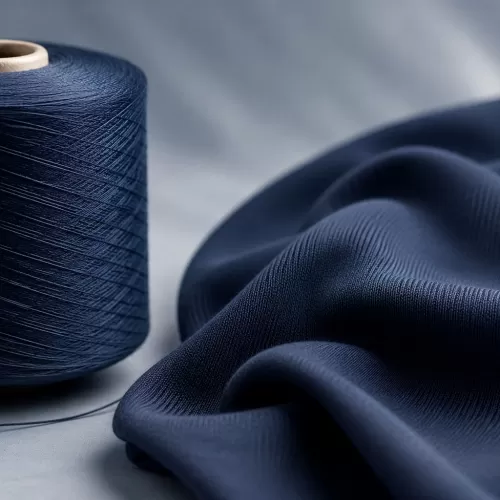
Man-made fibres are yarns created through industrial processes designed to reproduce or enhance the properties of natural fibres. They may be derived from natural sources, such as viscose or lyocell, or from synthetic polymers like polyester, polyamide and acrylic. This wide list of man made fibers highlights the versatility of this category. What truly distinguishes them is their engineered design, which allows specific characteristics such as elasticity, softness, durability, or shine to be defined during production. This control enables the creation of customized solutions for various sectors, including technical apparel, sportswear, luxury fashion and industrial or medical textiles.
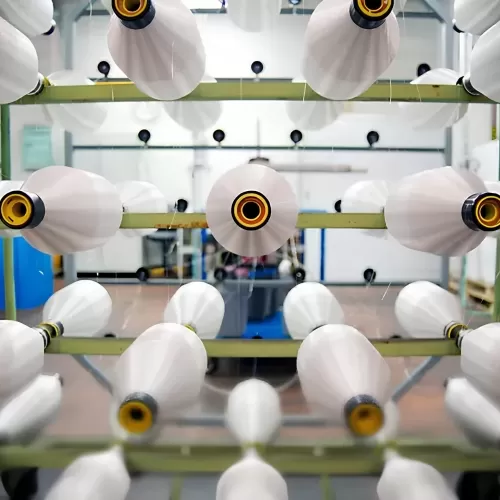
Beyond performance, man made fibre production was also driven by the need to overcome the limits imposed by climate conditions and the seasonality of natural resources. The result is the availability of high-performing, accessible, and consistently produced materials. Over time, man-made fibres have evolved from purely functional yarns into aesthetically refined solutions, including sustainable variants obtained from recycled or renewable sources. Today, research has even led to the development of intelligent materials – the so-called smart fibres capable of reacting to external stimuli, regulating body temperature, and improving breathability, redefining the concept of textile comfort.
Natural and man-made fibers: a complementary comparison
The relationship between natural and man-made fibers is no longer a contrast, but a dynamic balance. Natural fibres provide comfort and breathability, yet they require significant amounts of water and land and are subject to variability in agricultural production. Man-made fibres, on the other hand, ensure production continuity, uniform quality, and a potentially lower environmental impact when developed using recycling technologies or low-energy processes.
Thanks to progress in polymer chemistry and circular economy practices, man-made fibres are becoming a key driver of sustainable innovation in the textile industry. They help reduce dependence on natural raw materials while integrating advanced performance features. Their design flexibility also allows the development of blended solutions, combining natural and synthetic fibres to achieve the ideal balance of comfort, durability, and sustainability. This is especially evident in the growing use of man made filament yarn in high-performance and premium textiles, as well as in widely recognized man made fibres examples used across multiple applications.
Fulgar’s contribution to innovation in sustainable man-made fibres
Fulgar embodies the evolution of man-made fibres toward a more responsible and transparent model. The company develops intelligent yarns and next-generation polyamides that meet the highest standards of performance and sustainability. Among its most notable projects are:
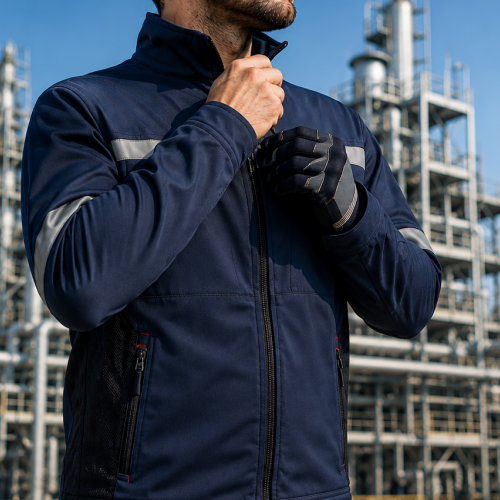
- EVO® by Fulgar is a 100% bio-based yarn derived from renewable sources such as castor oil and industrial corn, which require minimal water consumption and do not compete with food agriculture. Suitable for all textile applications, EVO® stands out for its performance: it is ultra-lightweight, super stretchy, highly breathable, and quick-drying. It requires no ironing and offers excellent thermal properties along with natural odor-control capabilities, making it ideal for sportswear, outerwear, and high-end fashion.
- Q-CYCLE® by Fulgar is an innovative polyamide 6.6 yarn in which 100% of the raw material is replaced with pyrolysis oil derived from end-of-life tires, following a certified mass-balance approach. This yarn combines the functional and aesthetic benefits of comfort, strength, and durability in a more sustainable version, making it suitable for high-quality fabrics across multiple textile sectors.
- Completing the range, Q-GEO® by Fulgar is a next-generation polyamide with a low environmental impact. Nearly half of the raw material used is bio-based, sourced from industrial corn grown on non-food-competing land. This composition significantly reduces the CO₂ footprint throughout the entire production cycle while offering superior comfort compared to conventional polyamides. Soft, breathable, and highly performing thanks to its flame-retardant properties, Q-GEO® is ideal for lightweight, durable garments designed to meet evolving market demands.
These yarns represent only part of Fulgar’s ongoing commitment to sustainable man-made fibres. The company’s entire production process is built around environmental responsibility and continuous performance monitoring, with the goal of reducing non-renewable resource consumption and improving environmental performance through LCA studies and internationally recognized certifications. With its transparent and quality-driven philosophy, Fulgar helps shape a future where technology, creativity, and sustainability coexist in perfect balance.
Want to learn more or get in touch with the Fulgar team? Contact us to receive more information about our sustainable yarns and innovative solutions for your textile business.