Pinterest
 Email
Email
23 Feb 2026
Polyamide 6 and polyamide 6.6: differences, performance, and selection criteria in textiles
A comparative guide to textile polyamides PA 6 and PA 6.6 for high-performance applications
In the world of synthetic fibers, polyamide – often referred to as nylon – is one of the most widely used raw materials for the production of yarns and technical fabrics. When evaluating the use of nylon as a textile fiber, the comparison between polyamide 6 (PA6) and polyamide 6.6 (PA6.6) becomes essential for brands operating in underwear, sportswear, outerwear and high-performance textiles. This article analyzes the key chemical and performance differences between PA6 and PA6.6, comparing fabric behavior, application areas, and selection criteria, with a particular focus on high-performance applications and Fulgar’s expertise in developing polyamide 6.6 yarns.
Polyamide 6 vs 6.6: chemical differences and polymer structure
From a chemical standpoint, the main distinction between polyamide 6 and polyamide 6.6 lies in the polymer structure. PA6 is produced through the polymerization of caprolactam, while PA6.6 results from the reaction of two different monomers. This different origin gives the two fibers distinct levels of crystallinity and molecular organization.
In textile nylon fibers, polyamide 6 features a more flexible and less ordered molecular structure compared to polyamide 6.6. This characteristic leads to greater dye affinity but also to a less stable elastic behavior, with lower stretch recovery over time. In textile applications, this can translate into a higher tendency for fabric deformation after prolonged use, mechanical stress, and repeated washing cycles, making PA6 less suitable for garments that require high dimensional stability and long-term performance retention.
Polyamide 6.6, on the other hand, features a more compact and regular molecular structure, characterized by a higher degree of crystallinity. This means the polymer chains are more ordered and strongly bonded, providing the material with greater mechanical strength, improved dimensional stability, and a superior ability to maintain its performance even under stress, wear, and repeated washing over time.
Fabric performance: how PA6 and PA6.6 behave in real use
When analyzing the characteristics of polyamide fabrics, significant differences emerge between the two variants that directly impact the behavior of the finished garment.
Polyamide 6 is valued for its easier dyeability and lower cost; these qualities stem from its more flexible yarn structure and make the material suitable for applications where extreme mechanical performance is not the primary requirement.
Polyamide 6.6, by contrast, stands out for its superior abrasion resistance, greater dimensional stability and reduced long-term deformation. Thanks to its more compact structure, nylon 6.6 fabric dries quickly, withstands frequent washing more effectively, and retains its original performance longer, even under intensive use.
In addition, polyamide 6.6 offers greater dimensional stability compared to PA6—an aspect that is also relevant from a sustainability perspective, as it helps preserve the fabric’s technical and aesthetic properties over time. This stability is particularly important during dyeing and finishing processes, where temperature control and thermal stress management contribute to maintaining consistent material performance.
For these reasons, nylon 6.6 is often preferred for technical and sports applications, where fabrics are exposed to mechanical stress, friction, repeated strain, and intensive daily use.
Textile applications of polyamide 6.6: versatility and high performance
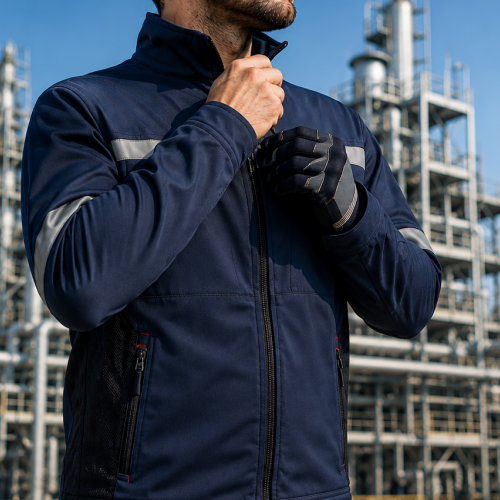
In high-performance textile applications, polyamide 6.6 stands out for its application versatility, adapting to a wide range of contexts without compromising performance. In sectors such as sportswear, activewear, outerwear, and technical fabrics, where materials are subjected to continuous mechanical stress, friction, and frequent washing, PA6.6 delivers an effective combination of strength, dimensional stability, and controlled elasticity, ensuring reliable performance over time. This durability also translates into a longer garment lifecycle—an increasingly important factor for brands focused on quality, reliability, and reducing environmental impact through long-lasting products.
Concrete examples of these applications can be seen in the collaborations developed by Fulgar with international brands. In the activewear segment, brands such as Oysho, Sweaty Betty and PANGAIA have selected Fulgar yarns for high-performance collections designed for intensive use, where durability, breathability and comfort must coexist. In the sports and technical sector, partnerships such as X-Tech demonstrate how high-performance polyamide 6.6 yarns are ideal for garments requiring strength, stability, and long-term reliability. In advanced underwear as well, collaborations such as the one with Pompea highlight how polyamide 6.6 performance can be translated into enhanced comfort and fit.
In this context, Fulgar’s expertise in producing high-performance polyamide 6.6 yarns represents a strategic asset. For decades, the company has developed PA6.6 solutions designed to ensure high strength, dimensional stability, and consistent comfort over time, even under intensive use conditions. Through advanced production process control and continuous research and development, Fulgar’s PA6.6 yarns are engineered to meet the concrete needs of brands and designers, offering reliable solutions for sportswear, activewear, advanced underwear, and technical textiles—where performance, quality, and innovation must coexist.
Would you like to explore the polyamide 6.6 solutions developed by Fulgar for your textile project? Contact our team to receive technical support and identify the yarn best suited to your needs.