Pinterest
 Email
Email
21 Sep 2026
Pilling in fabrics: what it is and how to prevent it with the right yarn
What is pilling and why does it form on fabrics?
Pilling is the formation of small clusters of fibers on the surface of a fabric, caused by friction during wear or washing. Although it does not necessarily compromise the garment's mechanical performance, pilling affects its appearance and perceived quality, making it look prematurely worn.
Contrary to what one might think, pilling does not depend solely on how a garment is used, but on the combination of fiber, yarn, fabric construction, and finishing. For this reason, preventing pilling begins long before the finished product is manufactured, starting at the textile material design stage.
What causes pilling?
Pilling resistance does not depend on a single factor, but rather on how the fiber, yarn, and fabric interact with one another. The type of fiber used, yarn structure, fabric construction, and any finishing treatments all influence how the material behaves when exposed to abrasion. A fiber with high mechanical strength tends to limit the detachment of surface fibers, while a properly engineered yarn helps maintain a more stable fabric structure over time.
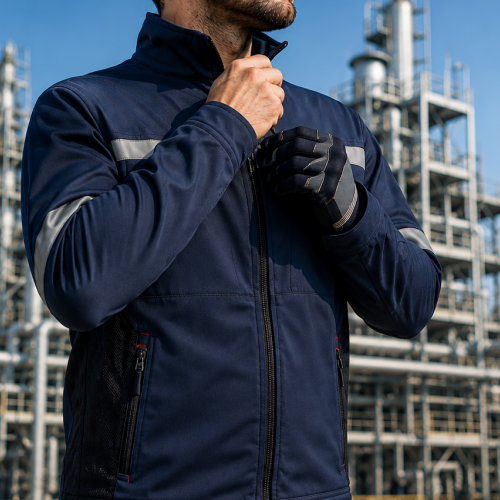
The intended use also influences pilling. Garments designed for sportswear, activewear, knitwear, underwear, hosiery, or workwear are exposed to continuous friction and therefore require materials engineered to preserve the fabric's original appearance for longer.
Preventing pilling starts with choosing the right yarn
The most effective strategy for limiting pilling is not to address the problem once the garment is finished, but to design the fabric starting with the most suitable yarn.
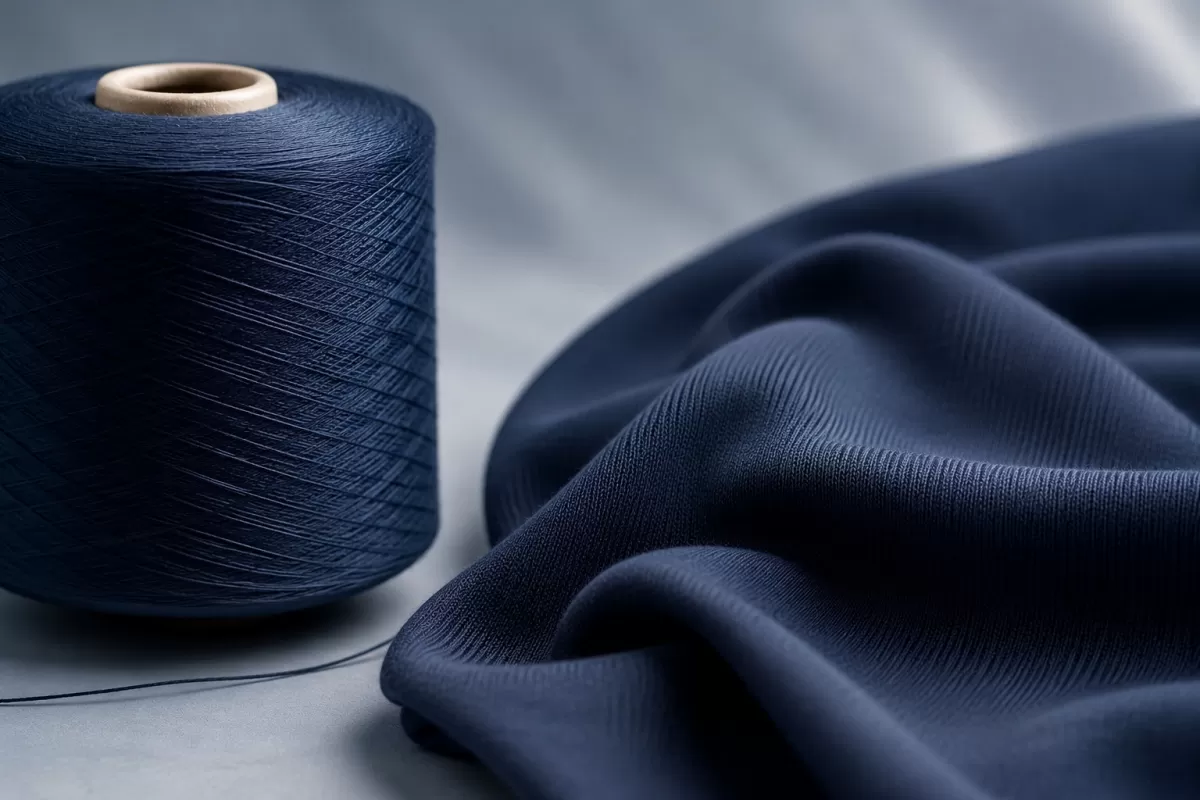
An anti-pilling fabric does not completely eliminate the phenomenon. Instead, it is designed to reduce pilling over time through the right combination of fiber, yarn, fabric construction, and finishing. Among these elements, choosing the right yarn is one of the most important factors. An anti-pilling yarn, or more generally a yarn characterized by high abrasion resistance and a stable structure, can help reduce the detachment of surface fibers, preserving the fabric's uniformity, hand feel, and aesthetic quality for longer. For fashion and technical apparel brands, this translates into garments that retain their perceived value for longer, even after repeated wear and washing.
Polyamide 6.6: a solution for limiting pilling
Among the synthetic fibers used to develop high-performance fabrics, polyamide 6.6 is one of the most effective solutions for limiting pilling. Thanks to its particular molecular structure, it offers greater resistance to abrasion and wear than many other synthetic fibers, helping reduce the detachment of surface fibers and preserve the fabric's uniform appearance for longer, even after intensive use and repeated washing. For applications requiring even higher levels of mechanical resistance, high-tenacity polyamide 6.6 yarns can be used to further enhance material performance under particularly demanding conditions.
These characteristics are complemented by dimensional stability, controlled elasticity, and long-lasting performance, making polyamide 6.6 an ideal choice for applications in fashion, sportswear, underwear, hosiery, workwear, and technical apparel.
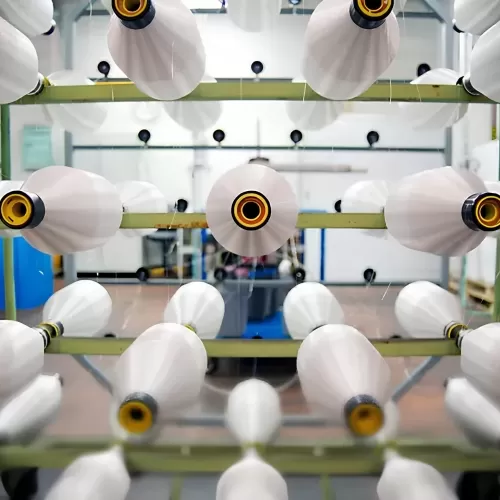
Rather than simply referring to anti-pilling yarns or anti-pilling fibers, it is therefore more accurate to consider pilling prevention as part of the textile design process, reducing the phenomenon through the selection of the right fiber and its mechanical properties. This is where Fulgar's know-how in the development of polyamide yarns can contribute to creating fabrics that maintain their quality, performance, and aesthetic value for longer.
Are you developing a new fabric and looking to reduce the risk of pilling? Contact the Fulgar team to identify the yarn best suited to your project's requirements.